Comfortable Walking Shoes for Women for Support, Support and Regular Walking
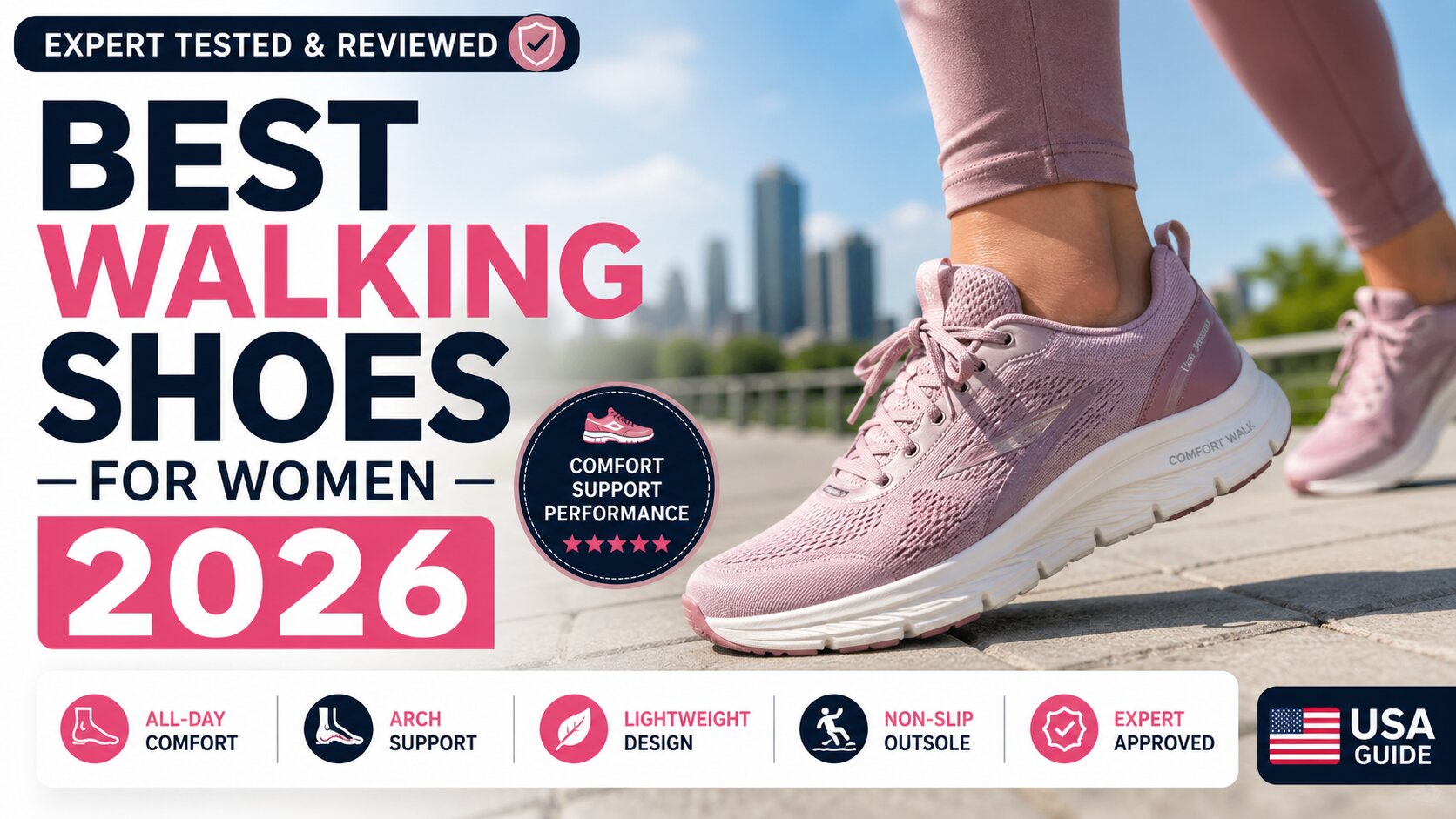
Choosing the right walking shoes for women is essential for regular ease, foot health and overall body support. Whether being on your feet for exercise, trips, professional routines, daily tasks or long hours of standing, the proper pair can make a major difference in how the feet, ankles, knees, hip area and back feel from morning to evening. Women have varied foot structures, arch needs, movement habits and support requirements, so a single shoe cannot suit every woman. Some need more shock absorption, some need a broader toe box, some need arch stability, while others need soft support for sensitive heels or forefoot concerns. A properly made walking shoe should feel comfortable from the first use, support natural movement and reduce strain during daily walking.
Why Women Need Good Walking Shoes
Walking often appears easy, but each step places strain on the feet area and joints. When shoes lack suitable padding or structure, tiredness can build up quickly, especially during long walks or complete work shifts. The right walking shoes for women are made to soften impact, control walking movement and provide a balanced platform. They help ease strain by supporting the rear foot, midfoot and front foot in a steady way. Good walking shoes also support posture by encouraging proper balance from the ground up. For women who move regularly, remain on their feet for extended periods or travel often, supportive footwear is not just a style choice; it is a practical part of wellness and everyday support.
Comfortable Walking Shoes for Women Over 50
The right walking shoes for women over 50 should focus on balance, soft padding and ease of movement. As feet become different with age, they may become broader, more sensitive or more prone to aches. Supportive walking shoes can help lower stress on knees and ankles and provide a safer walking experience. Features such as comfortable underfoot padding, grip-friendly soles, padded collars and secure heel structures are helpful for regular walking. Lightweight shoes are also beneficial because they make walking easier during extended walks. Women over 50 may benefit from shoes that offer a stable fit without feeling restrictive, allowing the feet to walk freely while still feeling protected.
Best Walking Shoes for Overweight Women
The right walking shoes for overweight women should provide strong cushioning, firm structure and reliable shock absorption. Extra body weight can add strain on the feet area, knees and lower back, so the shoes must be designed to handle continuous movement. A thick but responsive midsole can help reduce step impact, while a well-structured sole keeps the foot stable. Wide bases are also useful because they increase steadiness and reduce lateral shifting. Comfort should never feel heavy or stiff; the ideal walking shoe offers durability, easy movement and cushioning together. Breathable materials can also help keep feet cool during active days.
Best Walking Shoes for Women with Wide Feet
Finding the right walking shoes for women with wide feet means looking for toe freedom, softness and proper shape. Shoes that are too narrow can cause rubbing, toe pressure, blisters and general discomfort. A roomy toe area allows the toes to sit comfortably, which supports balance and lowers rubbing. Soft uppers are useful because they adapt better to the foot shape. Adjustable lace systems or adjustable details can also help create a custom fit without pressing the foot. Wide feet need support just as much as width, so the shoe should still provide midfoot stability, secure heel hold and a balanced base.
Best Walking Shoes for Women with Flat Feet
The Best Walking Shoes for Women with Flat Feet should offer reliable midfoot support and movement control. Flat feet can sometimes cause the foot to roll inward while walking, which may lead to aches in the ankles, knee joints or lower back. A supportive walking shoe helps guide the foot into a better-aligned position. Shoes with supportive midsoles, secure heel support and supportive soles are often easier to wear for flat feet than very loose, unstable footwear. The goal is not to push the foot into an uncomfortable form, but to provide enough support to make walking feel more controlled, steadier and less fatiguing.
Best Walking Shoes for Women with High Arches
Women with high arches usually need extra padding and natural movement. The Best Walking Shoes for Women with High Arches should help reduce shock because high arches may not balance foot pressure across the foot. Soft midsoles, comfortable insoles and natural forefoot flex zones can make walking less tiring. A shoe that is too rigid may increase pressure on the heel and forefoot, while a supportive cushioned shoe helps lower impact. Good heel padding is especially important, as high arches can place extra stress on the rear foot. The right fit should feel secure, cushioned and supportive without creating tightness across the top of the foot.
Supportive Walking Shoes for Women with Plantar Fasciitis
The Best Walking Shoes for Women with Plantar Fasciitis should provide heel cushioning, arch support and a firm walking base. Plantar fasciitis can cause noticeable heel soreness or strain along the bottom of the foot, especially after periods of inactivity Best Walking Shoes for Women Work (All Day) or during extended standing. Supportive walking shoes can help ease pressure by keeping the foot well supported. A comfortable heel zone, stable midfoot design and cushioned midsole are important elements. Shoes that flex excessively in the middle may not provide sufficient structure. Women dealing with underfoot soreness should choose walking shoes that feel protective, steady and comfortable for repeated daily movement.
Best Walking Shoes for Women with Bunions
The Best Walking Shoes for Women with Bunions should have a roomy forefoot, flexible upper material and minimal pressure around the toe area. Bunions can become painful when shoes press against the side of the toe joint. A spacious shape helps ease irritation, while stretchable or adaptive uppers can prevent irritation. Shoes with tight toe areas or rigid panels near the bunion area may increase discomfort. Good walking shoes for bunions should still provide midfoot support and rear-foot support, but the front area must allow natural toe placement. Ease, width and gentle structure are the most essential qualities.
Best Walking Shoes for Women Travel
The right walking shoes for women travelling should be not heavy, versatile and comfortable for extended sightseeing. Travel often involves travel hubs, pavements, stations, sightseeing, shopping and waiting in lines, so footwear must handle varied surfaces with comfort. A good travel walking shoe should offer shock absorption for extended outings, sole hold for secure walking and a air-friendly upper for all-day ease. It should also pair well with travel outfits so that women do not need to bring extra footwear. Easy pull-on styles or stable lace-up shoes can both work well, depending on individual choice. The best travel shoes make movement feel lighter from the start of the day to the end.
Top Walking Shoes for Women Work All Day
The best all-day work walking shoes for women should support extended standing, walking and repeated movement. Healthcare workers, educators, store teams, hospitality workers, workplace staff and active professionals often need footwear that remains supportive throughout a complete workday. Shoes for work should have firm midfoot structure, cushioned soles, reliable grip and air-friendly uppers. A work-appropriate style may also matter, especially in workplaces with uniform needs. The right pair should reduce foot fatigue and help maintain daily ease even after extended use. For all-day use, long-lasting quality is important because the shoe must hold its shape and perform after repeated wear.
Important Features in Women’s Walking Shoes
When comparing walking shoes, fit comfort should come before looks. The fit should feel stable at the heel, roomy at the toe area and well-structured under the arch. Cushioning should be comfortable enough to lower shock but not so soft that the foot feels unstable. The outsole should provide traction on common walking surfaces, while the upper should allow airflow. Flexibility is also useful, especially near the forefoot where the foot normally flexes. A removable insole can be helpful for women who use orthotic inserts. Above all, the shoe should match the user’s foot shape, daily movement pattern and personal comfort requirements.
Conclusion
The Best Walking Shoes for Women are the ones that match personal foot structure, lifestyle and support needs. Women over 50, women carrying extra body weight, women with broader feet, flat feet, arched feet, heel pain concerns or bunions all require individual footwear features. Travel and work needs also affect shoe selection. A good walking shoe should provide shock absorption, stability, ventilation, grip and durable comfort without causing pressure or pain. By choosing footwear based on practical comfort needs rather than style alone, women can enjoy easier movement, lower strain and better comfort throughout the day.